In college I took a basic economics class. I've had better classes. One of the things I didn't like about the class was that the tests were super boring. 50 multiple choice, and that's it. I got so bored taking them. To make them bearable I would skip around, do a couple per page, skip to the end and do them backwards, or do one question per page. They were still boring, I would find myself reading the questions several times before finally focusing enough to comprehend what I was reading. Which means I took longer to take the tests than most people, but I couldn't help it. I was so excited at the end of the semester when the professor said we didn't have to take the final if we had a good enough grade. Hurrah! No more boring tests.
I think it's kind of weird to get bored taking tests, but because I do it made me observe tests more. Like checking to see if the scantron sheets spell BAD or DAD or FAD or BAA. Also, I found it entertaining to try and guess the answer by the way the question and the options were phrased or set up, and then compare it to what I would choose looking at what I thought was the right answer.
That tendency probably would have got me into trouble if I hadn't already learned that sometimes the patterns do not point to the right answer.
When I was in first grade I remember taking a quiz. It was a photocopied page filled with handwritten sentences with blanks. A simple fill in the blank with the answers/options at the bottom of the page to choose from. I didn't read any of the sentences, instead I put the longest words in the longest blanks, the shortest in the shortest. I failed the quiz.
That didn't stop me from looking for the patterns in tests, instead it was my backup method to finding or checking my answers. I never let it be my first method again. At least if I did, it never ended so badly again :).
Sunday, March 16, 2014

Tuesday, March 11, 2014
Leaf Left Behind

The leaves are blowing;
I dread their going.
Their beauty, their laughter,
their song, and their life.
Never to come back and stay,
to meet me in the crevice.
One by one they fly,
twirling, and dancing in joy.
Sometimes their colors meet mine,
a cruel trick of the winds.
Maybe I'll escape one day,
only to find them farther still,
and out of reach,
along their dance among the trees.
Sunday, March 2, 2014
Learning from Books
A couple of conversations I had this week and folding socks brought back a memory.
We were on a family vacation, staying for a couple of days at an Aunt and Uncle's house. My Mom volunteered us kids to help fold socks. While we were doing so we were talking to our cousins. My oldest brother told a cousin a few years younger than him "You learn something from every book you read, even if it is only I really don't like that book."
This bit of wisdom amazed me, perhaps just because I hadn't thought much about it previously. Earlier this week I talked to someone who jokingly (at least I hope it was jokingly) said that reading fantasy books teaches you about how dragons fly, or magic works. Granted you may learn that, but I think you can learn a lot more than just that. I have learned a lot about armor, weaving, and stone cutting from fantasy books, and trapping, history, and corn husking bees from historical fiction. And that is besides learning about human interaction and emotions, and good (or bad) writing from almost all fiction.
Nonfiction isn't the only way to learn.
Sunday, February 23, 2014
Playing with Food
Parents are supposed to say certain things. Like "we get there when we get there" "eat your vegetables" and "don't play with your food."
Apparently I never listened. I still play with my food. A lot. For example eating an ear of corn like a typewriter, painting with beet juice, carving my carrots, and threading noodles on my fork. I'm glad my parents were never to harsh on me for those things, for some reason making cucumbers into packmans still make me smile.
I have a very fond memory of my kindergarten days. They were only half days and so I still got to eat lunch with my Mom, and I remember them still. Just the two of us eating yogurt and cheese curls, except I swear the cheese curls back then were more curly and tasted better than they do now. We would sit there together and write messages with the curls. Or perhaps she was just teaching me how to read. I don't know, but I do know I still play with my food.
I met a lady once who made playing with food an art, here is one of her partly carved carrots.
Tuesday, February 18, 2014
Curling

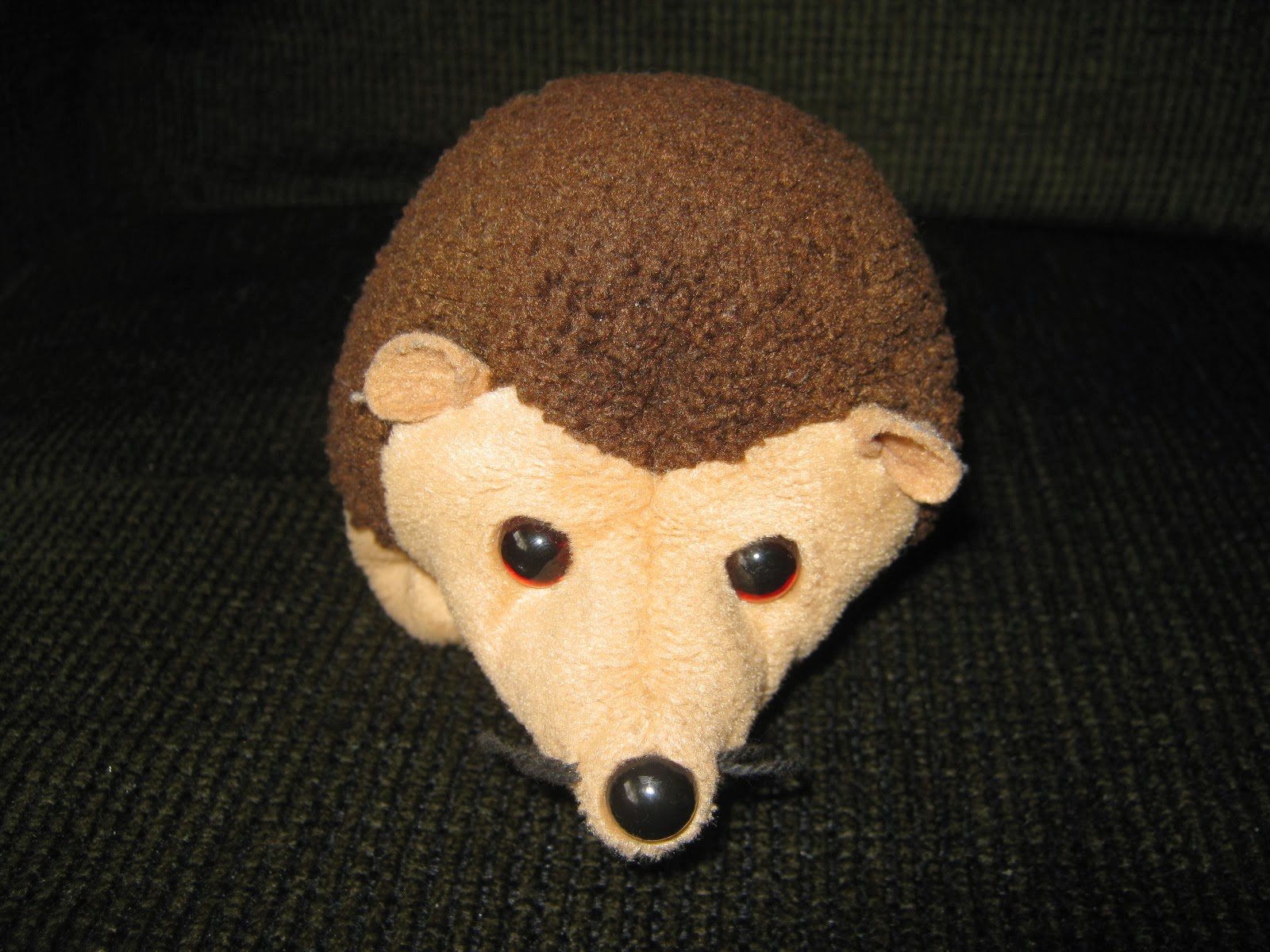
Sometimes I feel as if people are awfully good at it too. The problem with curling though is that when only your prickles are showing then no one can ever get to know you. I think some people don't find this a problem because they have two, three, five, etc people that they are always uncurled for, so they don't feel the need to uncurl for anyone else.
I've heard people mock those individuals who come out and tell you their whole life story for no apparent. Sometimes it probably is just personality, but sometimes I wonder if it's because they don't have anyone to uncurl for, and so they uncurl for anyone that walks by, hoping that the favor will be returned, but it rarely happens.
Why are we all so defensive all the time?
Uncurl, maybe it's not even for something you need, but for what another person needs.
Sunday, February 9, 2014
Needs
Obviously we have physical needs, basic ones like food, water, sleep and such like, but far more interesting in my opinion, are emotional needs. Partly why they are more interesting is because they vary more between people. My sister says she needs to see new things, it's convenient that she gets to be a world traveler.
Here are a few of my needs:
Here are a few of my needs:
- Intelligent, thought provoking, interesting conversation. If I don't get it every so often I think to much in my head (instead of outloud) and often it makes me depressed, and yet one good conversation can solve most of it.
- An engaging, physical, activity. Soccer, shoveling snow, and sometimes walks can all count. This is arguably a physical need, but sometimes I think it's partly mental too.
- Social interaction. Not necessarily a lot, and the above conversations don't always count although if the above physical activity is done with people it might work. Usually it's something more fun based, and although it's better when I am the active participant I can just be an observer.
- A book. I get book deprived. When I don't have a satisfying book (or computer game, etc) that I can fall back on in my free moments I am actually less productive. This is because when I "take a break" and it's not satisfying then I just keep looking for other entertainment so that I will be satisfied and never accomplish anything.
- A productive/creative project. This can be blogging (usually not) painting, drawing, crowdsourcing, list making, documenting, writing, researching, and a bunch of other things. If I don't do anything like this I get restless, and grumpy.
What are your needs?
Sunday, February 2, 2014
Consuming and Creating: Part 4: Crowdsourcing
My brother and I talked a little about different crowdsourcing projects, yesterday. It is when a group or company gets a large amount of people involved in a project. I don't know too much about it, but I think it is often done through volunteers via the internet.
Indexing done by the Church of Jesus Christ of Latter Day Saints is a good example of this. People sign up, download documents and then transcribe certain information from the documents, particularly to use for genealogical work. I've done some of it, but not recently.
https://familysearch.org/indexing/
Recently I have worked on two other crowdsourcing projects.
Operation War Diary
It's a project similar to LDS Indexing, but you don't type in much, mostly you pin little tabs on documents. They are journal entries from WWI battalions. I've recorded casualties, training, trench building, and football games. It's interesting to see the day to day activities of some of the groups.
http://www.operationwardiary.org/
Snapshot Serengetti
This might be my favorite. As the volunteer you look at pictures taken by camera traps in the wilds of Africa, and then record what types of animals are present, how many and what they are doing. Who knew wildebeests were so common! I've also documented ostriches, zebras, hartebeests, elephants, and topi.
http://www.snapshotserengeti.org/
Now that you know all about crowdsourcing this is how I think it relates to creating.... There are a lot of short games you can play on the internet, and most of them are addicting to some degree of another. But when you are done you haven't accomplished anything. Consuming just isn't as fulfilling as creating. And so essentially people that have set up crowdsourcing opportunities make productive things into short addictive "games." When people get involved, they enjoy it, and they feel better about themselves then if they had only been playing a game, because it's creative in some ways. Plus, you get to be a part of a project that is bigger than yourself. It's exciting. I know I've enjoyed doing them.
So basically crowdsourcers have capitalized on helping people be creative/productive.
Subscribe to:
Posts (Atom)